
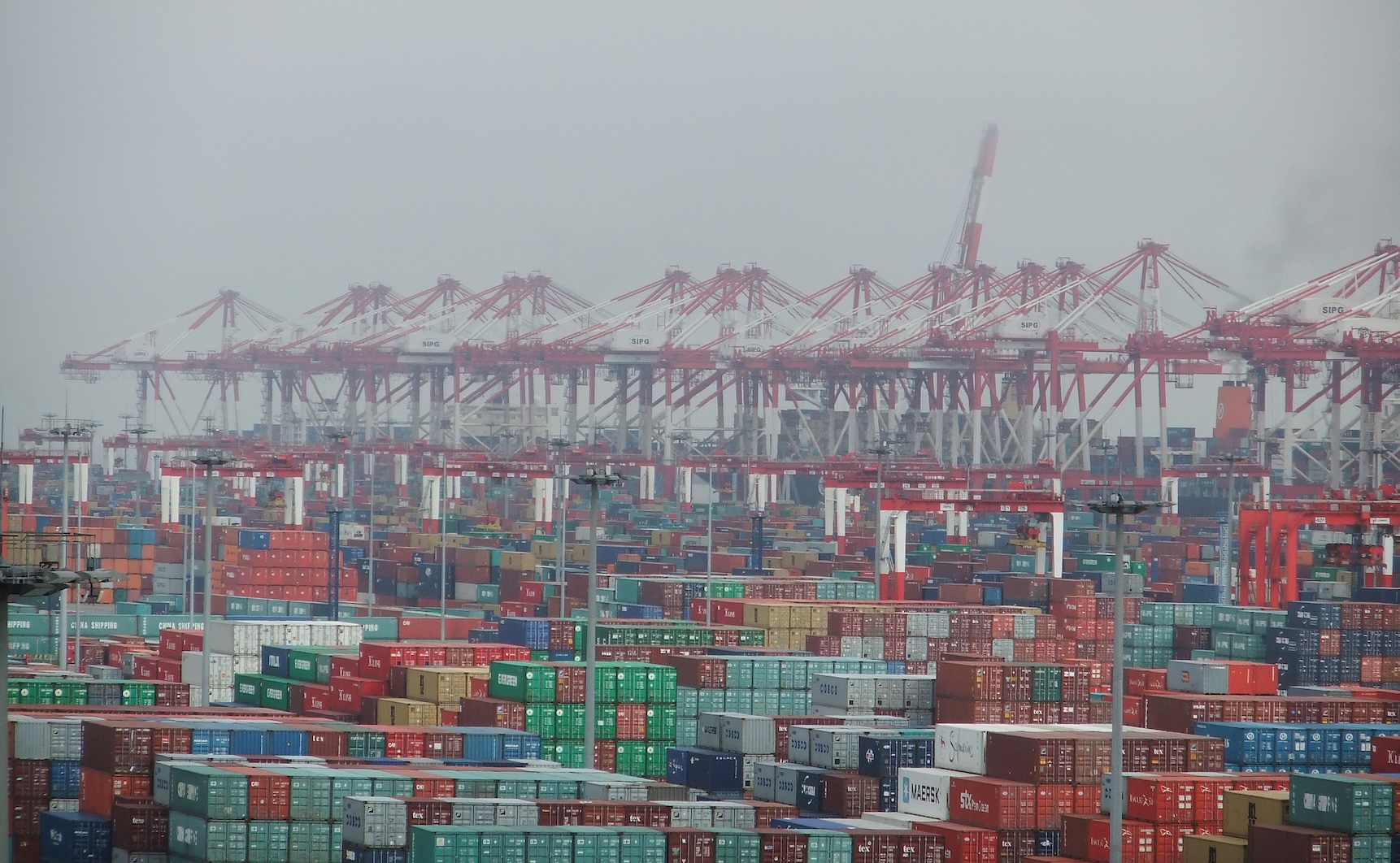
Trade barriers are growing in the U.S. and globally, representing a secular trend away from a liberal global trading regime toward a bifurcated system with heterogeneous rules and regional trade agreements [1]. New trade barriers are driven by a range of concerns, including concentrations of risky foreign producers, supply chain disruptions, unfair trade practices including subsidies and labor and environmental standards, and declining domestic manufacturing, employment and technological capabilities. Fossil energy trade and its potential disruptions have long been a concern of policymakers. However, the current context in which the U.S. administration has advanced a more expansive role for tariffs, alternative energy technology globally is outpacing growth in fossil fuels, and China dominates clean energy supply chains have broadened the scope and impact of energy trade measures.
Recommended citation:
Davidson, M. R. (2026). Effects of escalating trade barriers on the U.S. energy system. Environmental Research Letters, 21(16), 161004. https://doi.org/10.1088/1748-9326/ae97f8